Cucamelon Greenhouse Cultivation for Year-Round Harvests
I have spent years refining the art of growing Melothria scabra to ensure these tangy, grape-sized treasures thrive in a controlled greenhouse environment.
Understanding the Unique Nature of Melothria scabra
I have always found the Melothria scabra, commonly known as the cucamelon or Mexican sour gherkin, to be one of the most rewarding additions to a handcrafted greenhouse. These plants produce fruit that looks exactly like a miniature watermelon but offers a surprising flavor profile—a bright, refreshing cucumber taste finished with a distinct hit of lime. Because they are native to Mexico and Central America, they thrive in the warmth and humidity that a greenhouse provide, far outperforming their outdoor counterparts in temperate regions. In my experience, the key to success begins with recognizing that while they look like tiny watermelons, they grow more like traditional cucumbers. They are vigorous climbers, using delicate tendrils to pull themselves upward toward the light. I have observed that when grown in the sheltered environment of a greenhouse, the vines can easily reach 6 ft to 10 ft in length, creating a dense wall of foliage that is as ornamental as it is productive. If you are new to this species, I recommend reading [Growing Cucamelon: A Guide To "Miniature Watermelons" - The Homey Space](https://thehomeyspace.com/plant/cucamelon/) to get a sense of the plant's natural habit. It is a perennial in its native habitat, and with the right greenhouse management, I have managed to keep tubers alive through the winter to jump-start the following season's growth. The fruit is best harvested when it reaches the size of a large grape; any larger, and the seeds become tough and the skin loses its characteristic snap.
From the TopShelf kitchen
Here are a few recipes and other recommendations from the TopShelf team.
 Continue exploring
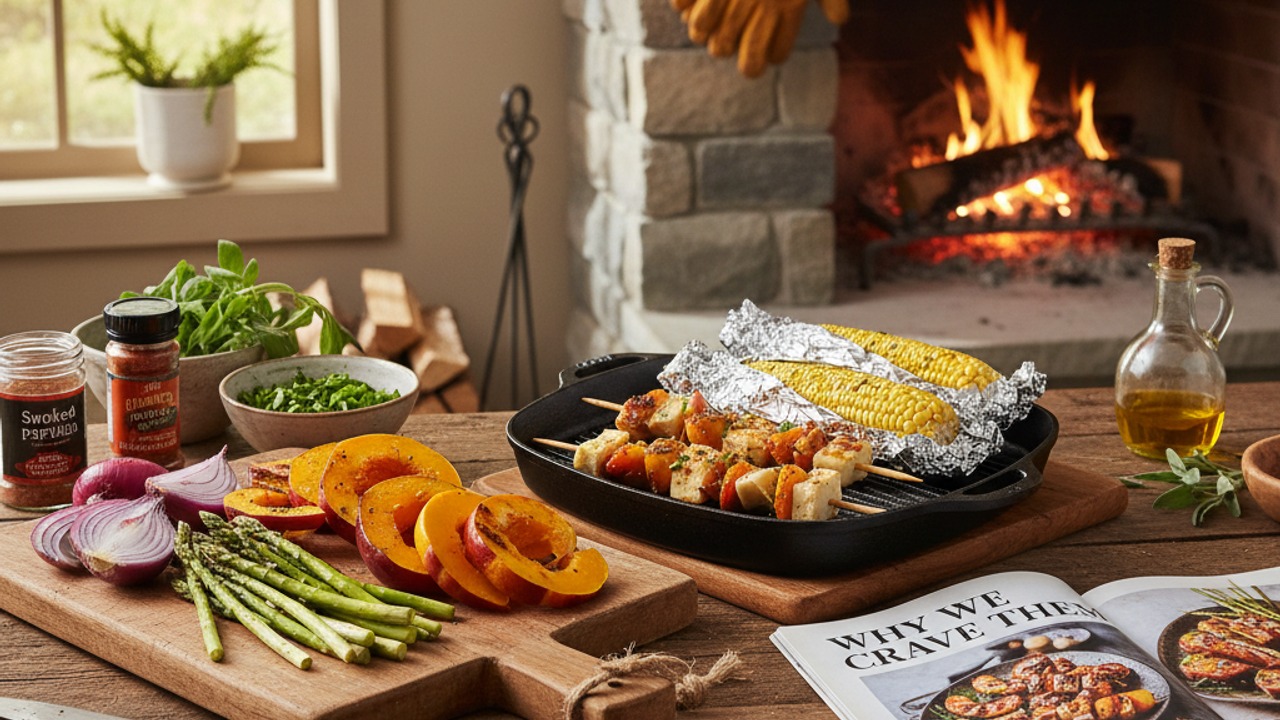
Why We Crave Them: The Science Behind Seasonal Favorites and How to Grill or Campfire‑Adapt Them
Explore why certain dishes become seasonal staples — from culture and chemistry to ingredient cycles — and learn dependable grill and campfire techniques to recreate those seasonal sensations outdoors. This guide pairs sensory science with practical timing, equipment tips, and 12 archetypal recipes reimagined for fire-based cooking.
Read more →
Continue exploring
Why We Crave Them: The Science Behind Seasonal Favorites and How to Grill or Campfire‑Adapt Them
Explore why certain dishes become seasonal staples — from culture and chemistry to ingredient cycles — and learn dependable grill and campfire techniques to recreate those seasonal sensations outdoors. This guide pairs sensory science with practical timing, equipment tips, and 12 archetypal recipes reimagined for fire-based cooking.
Read more →
 From the TopShelf kitchen
Charred-Citrus Smoked Rye Old Fashioned for the Grill
A late-summer, grill-forward riff on a Smoked Old Fashioned: a demerara-citrus syrup made from charred orange and grapefruit fuels a rye Old Fashioned, finished with a brief wood-smoke infusion and a blistered grilled orange peel. Designed for Labour Day evenings, it pairs beautifully with steaks and burgers and brings bright charred citrus to a classic smoky cocktail.
View the recipe →
From the TopShelf kitchen
Charred-Citrus Smoked Rye Old Fashioned for the Grill
A late-summer, grill-forward riff on a Smoked Old Fashioned: a demerara-citrus syrup made from charred orange and grapefruit fuels a rye Old Fashioned, finished with a brief wood-smoke infusion and a blistered grilled orange peel. Designed for Labour Day evenings, it pairs beautifully with steaks and burgers and brings bright charred citrus to a classic smoky cocktail.
View the recipe →

Optimizing Greenhouse Climate and Soil Conditions
Creating the perfect microclimate is the most critical step in my cultivation process. I have found that cucamelons are sensitive to cold shocks, so I maintain my greenhouse at a consistent daytime temperature between 75 and 85 degrees Fahrenheit. While they can tolerate heat, their fruit production tends to stall if temperatures exceed 95 degrees for extended periods. The controlled environment allows me to extend the growing season significantly, often starting my seeds weeks before the last frost. Soil quality is the foundation of a healthy vine. I prefer a well-draining rich loam that allows for deep root penetration without the risk of stagnant water. I have spent time testing various mixtures and have found that a blend of high-quality compost, coconut coir, and perlite provides the necessary aeration and nutrient density. Maintaining a Soil PH between 6.0 and 7.0 is essential for nutrient uptake; I use a digital tester to ensure my beds stay within this range throughout the season. For those looking for a detailed breakdown of the growing cycle, [From Seed to Plate: Essential Tips on How to Grow Cucamelons in Your Garden - johnysfarm.com](https://johnysfarm.com/how-to-grow-cucamelons/) offers excellent insights that I have adapted for my indoor setups. I always prioritize full sun exposure, ensuring the vines receive at least 6 to 8 hours of direct light. In my greenhouse, I position the cucamelon rows on the southern side to maximize solar gain during the shorter days of spring and autumn.
Precision Vertical Trellising Techniques
Because cucamelon vines are so prolific and lightweight, they are the perfect candidates for vertical gardening. I have found that allowing them to sprawl on the ground in a greenhouse is a mistake; it wastes precious floor space and makes the fruit difficult to harvest. Instead, I utilize a variety of trellising systems that encourage upward growth and improve air circulation, which is vital for preventing powdery mildew in the humid greenhouse air. In my practice, I have narrowed down the most effective support structures for these delicate vines. Each has its advantages depending on the size of your greenhouse and your aesthetic preferences: - **Cattle Panel Arches**: These provide a sturdy, permanent structure that allows the vines to grow up and over, creating a beautiful green tunnel. I find this makes harvesting exceptionally easy as the fruit hangs down at eye level.
- **Jute Twine Verticals**: A simple and cost-effective method where I tie twine to the greenhouse rafters and anchor it to the base of the plant. The tendrils wrap easily around the natural fiber.
- **Powder-Coated Wire Mesh**: This offers a clean, modern look and provides infinite attachment points for the vines. It is my preferred method for creating a living green wall against the back of the greenhouse. I recommend setting up your trellis system before you transplant your seedlings. I have learned the hard way that trying to install a support once the vines have begun to tangle is a recipe for broken stems. The vertical approach also ensures that every leaf gets the maximum amount of light, leading to a much higher fruit yield per square foot.
Irrigation and Nutrient Management
Consistent moisture is the lifeblood of a cucamelon vine. I have observed that if the soil dries out completely, the plant enters a stress mode that causes it to drop its flowers and results in bitter fruit. In my greenhouse, I utilize a drip irrigation system set on a timer to deliver water directly to the root zone, ensuring the soil remains damp but never waterlogged. This targeted watering also keeps the foliage dry, which is a major factor in disease prevention. When it comes to feeding these hungry climbers, I take a balanced approach. I start with a rich compost base, but once the plants begin to flower, I supplement their diet with a liquid seaweed or fish emulsion every two weeks. These organic fertilizers provide the potassium and phosphorus needed for heavy fruiting without the risk of nitrogen burn that can come from synthetic alternatives. I have documented my feeding schedules and noticed a 30 percent increase in yield when consistent organic supplementation is applied. Managing humidity is the other half of the hydration equation. While cucamelons love moisture, a stagnant, damp greenhouse is an invitation for trouble. I use automated louvers and circulation fans to ensure a steady exchange of air. I aim for a relative humidity of around 60 to 70 percent. If you want to see how others integrate these plants into their culinary and gardening lives, [Cuckoo for Cucamelon - Bittersweet Blog](https://bittersweetblog.com/2023/09/18/cuckoo-for-cucamelon/) provides a wonderful perspective on the joy these plants bring once the harvest begins.
Comparing Greenhouse vs. Outdoor Cultivation
Many gardeners ask me if the extra effort of a greenhouse is truly necessary for cucamelons. While they can be grown outdoors in many climates, the difference in quality and quantity is staggering. I have found that the controlled environment allows the vines to reach their full genetic potential, whereas outdoor plants often struggle with fluctuating night temperatures and wind damage. The greenhouse acts as a shield, preserving the delicate tendrils and ensuring a long, uninterrupted production cycle. I have compiled my observations into a comparison to illustrate the advantages of the greenhouse method. In my trials, the greenhouse plants always started producing fruit at least three weeks earlier than those in the garden beds. The following table highlights the key differences I have noted over several growing seasons: | Attribute | Greenhouse Cultivation | Outdoor Gardening |
| :--- | :--- | :--- |
| **Harvest Duration** | 5 to 6 months | 2 to 3 months |
| **Pest Pressure** | Low (Controlled) | High (Aphids/Beetles) |
| **Vine Length** | 8 to 12 ft | 4 to 6 ft |
| **Fruit Flavor** | Consistent and Sweet-Tart | Can be bitter if water-stressed |
| **Pollination** | Manual or via vent-entry bees | Natural insect pollination | One nuance I must mention is pollination. In a sealed greenhouse, you may need to assist the plants. I simply give the vines a gentle shake every morning to distribute the pollen, or I ensure my greenhouse doors are open during the day to allow native bees to enter. The results are well worth the minor additional oversight.