Growing Passion Fruit Vines in the Greenhouse
I have transformed my greenhouse walls into a lush, purple-fruited sanctuary, and I want to share the practical steps for cultivating these stunning tropical vines right at home.
The Beauty of Greenhouse Verticality
I have always believed that a greenhouse should be more than just a place to start seedlings; it should be a lived-in extension of the home that balances function with aesthetic beauty. When I first introduced passion fruit vines into my space, I was looking for a way to utilize the vertical real estate that often goes to waste. The way these vines weave through supports and produce those otherworldly, intricate flowers is truly a design marvel. Beyond the visual appeal, the dense foliage provides natural shading for more delicate plants underneath, creating a layered, multi-dimensional ecosystem. In my experience, the key to a successful vertical garden is choosing a structure that complements your greenhouse frame. I prefer using natural materials that age gracefully over time. Here are a few options I have used to support my vines: - **Cattle Panels**: These are incredibly sturdy and provide a large grid for tendrils to grip. I find they work best for larger greenhouses where you have at least 8 ft of vertical clearance.
- **Jute Twine Netting**: For a more soft, organic look, I often string jute from the rafters. It is inexpensive and can be composted along with the spent vines at the end of a long season.
- **Powder-Coated Metal Trellises**: If you want a more polished, permanent fixture, a black or dark green metal trellis adds a touch of modern sophistication to the interior.
From the TopShelf kitchen
Here are a few recipes and other recommendations from the TopShelf team.
 From the TopShelf kitchen
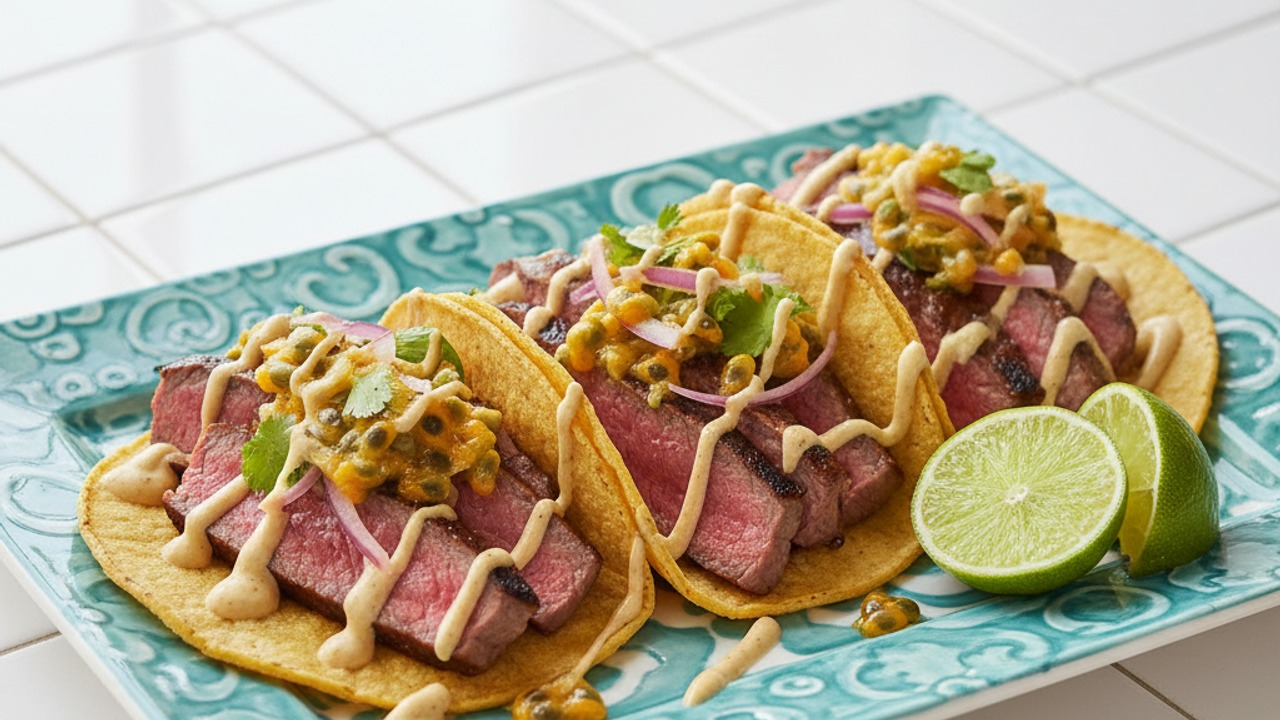
Grilled Ribeye Tacos with Muddled Passion Fruit Salsa and Charred‑Lime Crema
Late‑summer grilled ribeye tacos featuring thinly sliced, juicy steak topped with a muddled passion‑fruit and cilantro salsa, quick‑pickled red onions, and a charred‑lime crema. Includes both reverse‑sear and direct‑grill options plus a gluten‑free corn‑tortilla swap and make‑ahead salsa tips.
View the recipe →
From the TopShelf kitchen
Grilled Ribeye Tacos with Muddled Passion Fruit Salsa and Charred‑Lime Crema
Late‑summer grilled ribeye tacos featuring thinly sliced, juicy steak topped with a muddled passion‑fruit and cilantro salsa, quick‑pickled red onions, and a charred‑lime crema. Includes both reverse‑sear and direct‑grill options plus a gluten‑free corn‑tortilla swap and make‑ahead salsa tips.
View the recipe →
 Continue exploring
Mastering the Art of Selecting the Perfect Pineapple: Your Guide to Store-Bought Gold
Unlock the secrets to choosing the juiciest, sweetest pineapples for your next grilling adventure. Discover expert tips and techniques to ensure your fruit selection is top-notch and ready for delicious dishes.
Read more →
Continue exploring
Mastering the Art of Selecting the Perfect Pineapple: Your Guide to Store-Bought Gold
Unlock the secrets to choosing the juiciest, sweetest pineapples for your next grilling adventure. Discover expert tips and techniques to ensure your fruit selection is top-notch and ready for delicious dishes.
Read more →
Starting Your Tropical Journey
Starting passion fruit from seed is one of the most rewarding projects I have undertaken in my greenhouse. While you can certainly buy established starts, there is a special satisfaction in watching those first cotyledons emerge from the soil. I typically start my seeds in late winter to ensure the plants are robust by the time the spring sun begins to really warm the glass. You can find excellent guidance on [how to grow passion fruit from the seed](https://johnysfarm.com/how-to-grow-passion-fruit-from-the-seed/) to get your journey started. I have found that passion fruit seeds require a bit of patience and consistent warmth to germinate. I use a heat mat set to 75 degrees Fahrenheit to mimic the tropical floor. Once the seedlings have at least two sets of true leaves, they are ready for their permanent home. Whether you choose the common purple variety (Passiflora edulis) or the larger yellow variety, make sure you have enough room, as these vines are aggressive growers that can easily reach 20 ft in a single season if left unchecked.
Managing Temperature and Light
The biggest challenge I faced when I began growing passion fruit was managing the greenhouse climate. These are tropical plants at heart, and they do not tolerate frost. In my greenhouse, I aim to keep the daytime temperature between 70 and 85 degrees Fahrenheit. While they love the sun, I have noticed that on the hottest summer days, some light shading is necessary to prevent the leaves from scorching. A well-placed shade cloth can make a world of difference in maintaining that vibrant green color I strive for. Watering is equally critical. I maintain a consistent moisture level without letting the roots sit in standing water, which can lead to rot. During the peak growing season, I might water every other day, ensuring the drainage is impeccable. For those living in cooler zones, I highly recommend checking out these [essential tips for growing passion fruit in cold climates](https://johnysfarm.com/how-to-grow-passion-fruit-in-cold-climates/) to ensure your greenhouse setup is properly insulated against the winter chill. | Growth Phase | Temperature Range | Humidity Level |
| :--- | :--- | :--- |
| Germination | 75 to 80 degrees F | 70 percent |
| Vegetative Growth | 70 to 85 degrees F | 60 percent |
| Flowering/Fruiting | 75 to 90 degrees F | 50 to 60 percent |
| Dormancy (Winter) | 50 to 60 degrees F | 40 percent |
The Art of Hand Pollination
In a closed greenhouse environment, you may find that natural pollinators like bees are not always present when your passion flowers are in bloom. I have spent many peaceful mornings with a small artist’s brush, playing the role of the pollinator myself. It is a delicate process, but it ensures a heavy harvest of fruit. The passion flower has a very specific structure; you are looking for the pollen on the anthers to transfer to the three stigmas at the center of the flower. I usually perform this task mid-morning when the flowers have just opened and the pollen is most viable. Gently brush the yellow pollen onto each of the three stigmas. I have found that if I do this consistently, my fruit set increases by almost 80 percent compared to letting the plants be. It is a meditative ritual that connects me deeply to the life cycle of my garden. For more detailed botanical steps, you can refer to this guide on [how to plant and harvest passion fruit](https://harvesttotable.com/how-to-grow-passion-fruit/).
Pruning for Health and Airflow
Left to their own devices, passion fruit vines will quickly become a tangled mess that blocks light from reaching the inner leaves. Every spring, I take my sharpest shears and prune back the previous year's growth. I focus on removing any dead wood and thinning out the center to improve airflow. This not only keeps the greenhouse looking tidy and polished but also prevents the fungal issues that can thrive in stagnant, humid air. I generally prune back to a main lateral branch, leaving about 6 to 12 inches of the previous season's growth to encourage new fruiting wood. I treat pruning as a design exercise as much as a horticultural one. I guide the new growth along the trellis lines I have established, creating a clean, intentional pattern on the greenhouse walls. This helps me maintain a sense of order in a space that can quickly feel overgrown. If you are new to this, I recommend reading about [growing passion fruit seeds and vine care](https://www.tropicalpermaculture.com/growing-passionfruit.html) to understand how the plant responds to different pruning techniques.