Grow Asparagus in Your Greenhouse for an Early Spring Bounty
I'm thrilled to share my greenhouse secret for enjoying those tender, sought-after asparagus spears much earlier than the garden allows, transforming your space into an early spring haven.
Why Cultivate Asparagus in Your Greenhouse?
There's nothing quite like the first taste of fresh asparagus in spring, but waiting for the outdoor garden to yield its bounty can feel like an eternity. This is precisely why I've dedicated a section of my greenhouse to this delightful perennial. Growing asparagus under glass offers a significant advantage: an extended growing season and an earlier harvest. Instead of waiting until late spring or early summer, I can often begin picking tender spears weeks, if not months, ahead of my outdoor garden. Beyond the early start, a greenhouse provides a controlled environment that asparagus absolutely thrives in. It shields delicate young plants from harsh late-winter or early-spring frosts and the unpredictability of early spring weather. This protection translates into more consistent growth and often, more abundant yields, as the plants aren't stressed by temperature fluctuations or sudden cold snaps. It's truly a game-changer for those of us who adore this elegant vegetable and wish we could enjoy it for longer. For anyone looking to maximize their gardening efforts and savor homegrown produce for as much of the year as possible, integrating asparagus into your greenhouse plan is a brilliant move. It's an investment in future harvests that pays dividends in delicious, homegrown goodness. I've found that the consistent warmth and protection truly coax the best out of these plants, making them a centerpiece of my early spring culinary adventures.
From the TopShelf kitchen
Here are some of our favorite recipes to try next.
 From the TopShelf kitchen
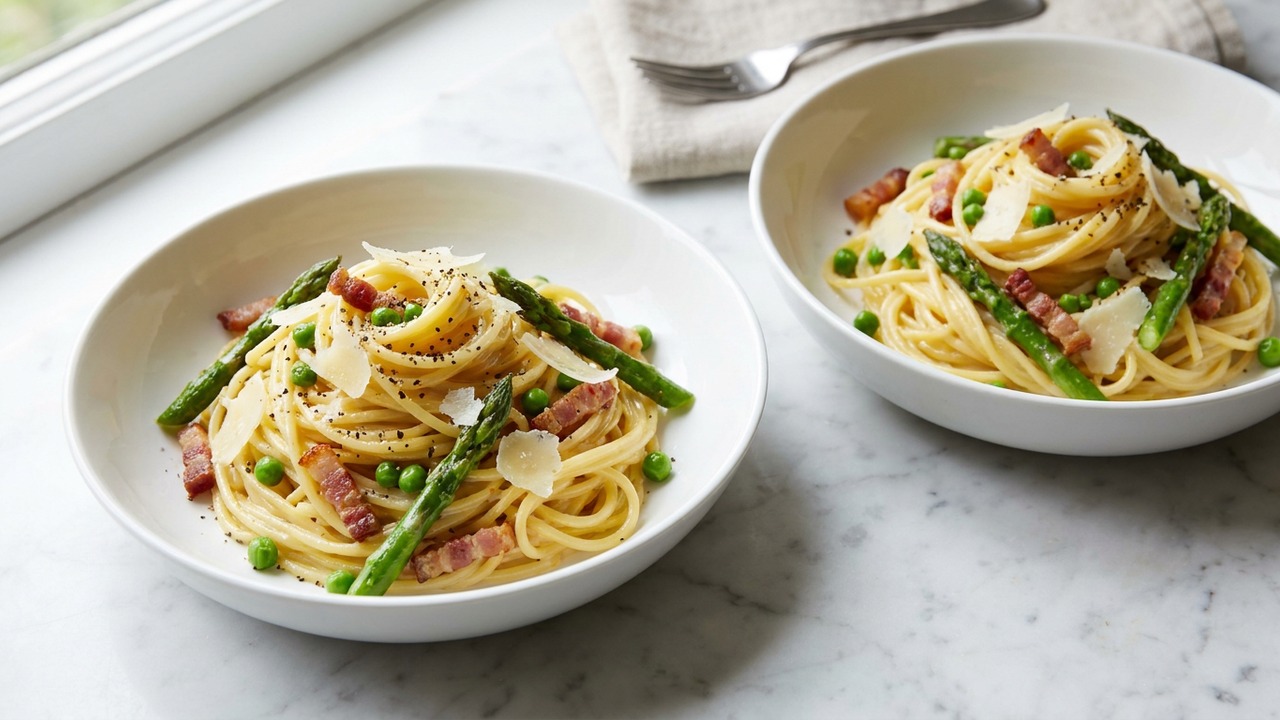
Spring Asparagus Pasta Salad with Feta, Dill and Lemon Vinaigrette
A bright, make-ahead cold pasta salad that celebrates spring asparagus with tangy feta, fresh dill and a zesty lemon vinaigrette. Ideal for picnics, meal prep, or a light weeknight side, it comes together quickly and keeps well chilled.
View the recipe →
From the TopShelf kitchen
Spring Asparagus Pasta Salad with Feta, Dill and Lemon Vinaigrette
A bright, make-ahead cold pasta salad that celebrates spring asparagus with tangy feta, fresh dill and a zesty lemon vinaigrette. Ideal for picnics, meal prep, or a light weeknight side, it comes together quickly and keeps well chilled.
View the recipe →
 From the TopShelf kitchen
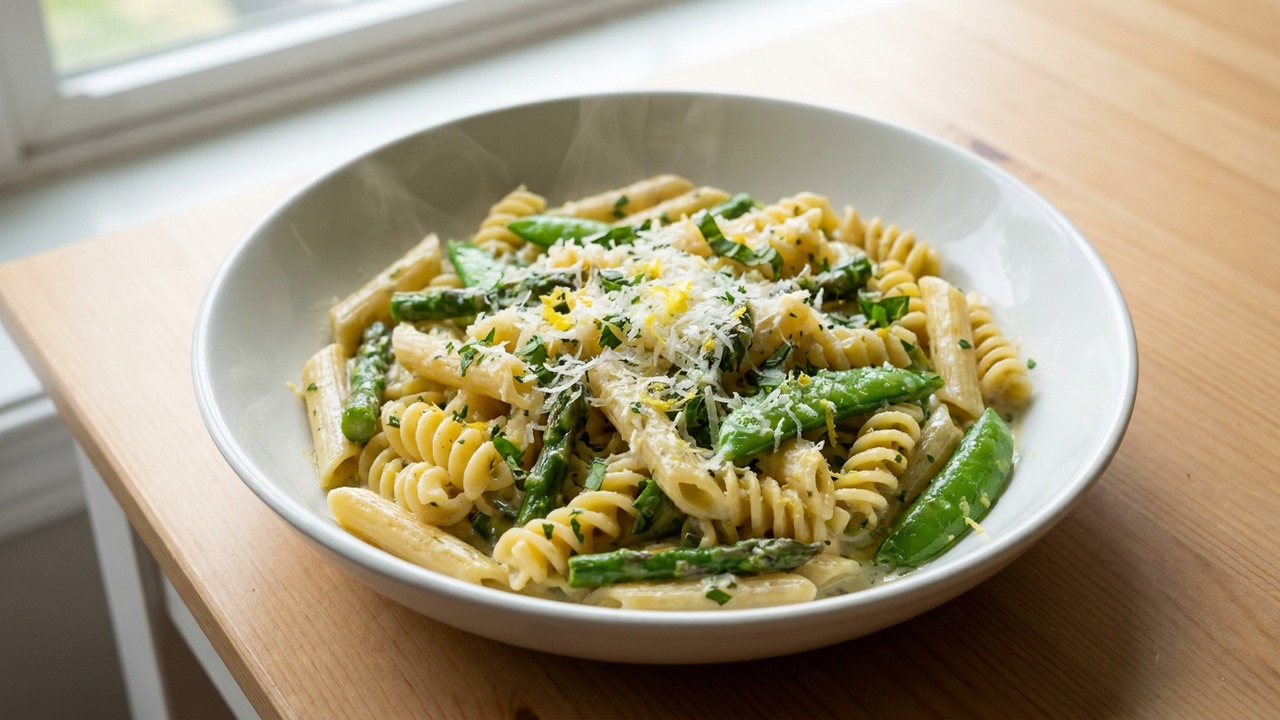
Pasta Primavera with Asparagus, Snap Peas and Herbed Cream Sauce
Bright, spring-forward pasta primavera starring tender asparagus and crisp snap peas in a silky herbed cream sauce. Ready in about 30 minutes, this stovetop supper is fresh enough for weeknight supper yet elegant for guests.
View the recipe →
From the TopShelf kitchen
Pasta Primavera with Asparagus, Snap Peas and Herbed Cream Sauce
Bright, spring-forward pasta primavera starring tender asparagus and crisp snap peas in a silky herbed cream sauce. Ready in about 30 minutes, this stovetop supper is fresh enough for weeknight supper yet elegant for guests.
View the recipe →
Selecting the Best Asparagus Varieties for Greenhouse Growing
When it comes to greenhouse asparagus, not all varieties are created equal. My primary goal is to maximize yield and taste in a protected environment, so I lean towards certain types that perform exceptionally well. The most crucial distinction you'll encounter is between male and female plants; male plants are generally preferred for commercial production and home gardens because they put all their energy into producing spears rather than seeds, resulting in higher yields and often thicker spears. Look for 'all-male' hybrids for the best greenhouse performance. Beyond gender, consider the specific characteristics that suit your climate and preferences. Some varieties are known for their early emergence, which is a fantastic trait for greenhouse cultivation, while others boast exceptional disease resistance, which is always a plus in any gardening setup. I’ve experimented with a few, and these have become my top recommendations for greenhouse growers: - **'Jersey Giant'**: This is a classic for a reason. 'Jersey Giant' is an all-male hybrid known for its very high yields of thick, tender green spears. It's incredibly vigorous and disease-resistant, making it a reliable choice for consistent harvests. It adapts well to various soil types and greenhouse conditions.
- **'Millennium'**: Another outstanding all-male hybrid, 'Millennium' is celebrated for its exceptional cold hardiness and impressive yields. Its spears are uniformly thick and have excellent flavor. While cold hardiness might seem less critical in a greenhouse, it often translates to overall plant vigor and resilience.
- **'Purple Passion'**: If you're looking for something a bit different, 'Purple Passion' offers beautiful, deep purple spears that are sweeter and more tender than green varieties, often requiring less peeling. While not an all-male hybrid, its unique flavor and visual appeal make it a delightful addition. It also performs well in greenhouse settings, though yields might be slightly lower than the all-male options.
Starting Your Asparagus: Crowns or Seeds?
Embarking on your asparagus journey requires a foundational decision: will you start from seeds or one-year-old crowns? Each method has its pros and cons, and your choice will largely depend on your patience, budget, and desired timeline for harvesting. I’ve tried both approaches over the years and found that crowns generally offer a quicker path to harvest, which is often appealing when you're eager to enjoy those first tender spears. Starting from seed is certainly more economical, and it allows you to grow a wider range of heirloom or less common varieties that might not be available as crowns. However, it requires a significant time commitment, as asparagus seeds can be slow to germinate and the seedlings need careful nurturing for their first year or two before they're robust enough to produce. You won't see any harvestable spears for at least three years, as the first two years are crucial for developing a strong root system. Crowns, on the other hand, are essentially one-year-old plants with established root systems. This head start means you can often begin a light harvest in their second year after planting, cutting down the waiting time considerably. They are more expensive upfront, but for many gardeners, the reduced waiting period and higher success rate make them worthwhile. Given the controlled environment of a greenhouse, planting crowns often provides a more predictable and faster reward. Here's a brief comparison to help you decide:
Preparing the Perfect Greenhouse Bed for Asparagus
Asparagus is a long-term commitment, often producing for 15-20 years, so preparing its home in your greenhouse properly is paramount. These plants are heavy feeders and require well-draining soil rich in organic matter. I learned early on that skimping on soil preparation leads to disappointing results down the line. A dedicated raised bed within your greenhouse is ideal, as it allows for excellent drainage and makes it easier to manage soil quality over the decades. First, aim for a soil pH between 6.5 and 7.0. If you're unsure of your soil's current pH, a simple soil test kit can provide that information, allowing you to amend as necessary. I generally incorporate a generous amount of well-rotted compost or aged manure into the entire bed, not just the planting trench, to ensure a rich, friable medium. This not only boosts fertility but also improves soil structure, which is critical for root development and drainage. Asparagus roots can spread quite extensively, so preparing a deep bed, at least 12-18 inches deep, is highly beneficial. Good drainage cannot be overemphasized. Asparagus roots will rot in waterlogged conditions, so if your greenhouse bed tends to retain water, consider adding perlite or coarse sand to improve drainage, or ensure your raised bed has ample drainage holes at the bottom. By dedicating the time and effort to create an optimal soil environment now, you'll be setting your asparagus patch up for decades of successful, delicious harvests. It's truly an investment in green gold.
Planting Asparagus for Long-Term Success
Once your greenhouse bed is perfectly prepared, it’s time for the exciting part: planting your asparagus crowns! This process sets the stage for years of delicious harvests, so precision here is key. I typically plant my crowns in early spring as soon as the soil is workable and consistently warm within the greenhouse, usually after any risk of severe frost has passed, even inside the protected environment. To plant crowns, follow these steps for optimal establishment: 1. **Dig a Trench**: Dig a trench in your prepared bed that is about 12 inches wide and 6-8 inches deep. Create a small mound or ridge of soil down the center of the trench, about 2-3 inches high. This ridge will support the crown's roots.
2. **Position the Crowns**: Carefully spread the roots of each asparagus crown over the mound in the trench, ensuring they fan out evenly. The "crown" or growth bud should be at the top of the mound. Space crowns about 12-18 inches apart within the trench. If you're planting multiple rows, leave at least 3 ft between rows to allow for ample fern growth later.
3. **Backfill Gradually**: Cover the crowns with about 2-3 inches of soil, just enough to bury the roots and crown. Do not bury them completely right away. As the spears begin to grow, gradually add more soil to the trench until it is completely filled in. This encourages stronger root development and taller, straighter spears. You can find more detailed visual guides on proper planting techniques from resources like [The Old Farmer's Almanac](https://www.almanac.com/plant/asparagus).
4. **Water Thoroughly**: After the initial partial backfilling, water the newly planted crowns deeply. This helps settle the soil around the roots and provides essential moisture for them to begin establishing.
Essential Care for Thriving Greenhouse Asparagus
Once your asparagus crowns are nestled in their new greenhouse home, consistent care is essential for their establishment and long-term productivity. While asparagus is notoriously low-maintenance once established, the first few years, especially, require attention to ensure a strong foundation. I've found that a little consistent effort early on prevents many headaches later. Watering is key, particularly during dry spells or when spears are actively growing. Asparagus needs consistent moisture but absolutely abhors soggy feet. I aim to keep the soil consistently damp, like a wrung-out sponge, but never waterlogged. My greenhouse setup allows me to monitor this closely. Fertilization also plays a significant role. Since asparagus is a heavy feeder, I apply a balanced organic fertilizer in early spring and again after the harvest period. A top-dressing of compost annually also helps replenish nutrients and improve soil structure. Weed control is another vital aspect, as weeds compete for nutrients and water, especially when plants are young. I hand-pull weeds regularly to avoid disturbing the shallow root systems of the asparagus. Here are my key care tips for robust greenhouse asparagus: - **Consistent Moisture**: Water deeply and regularly, especially during dry periods and spear production. Aim for 1 inch of water per week, either from rain or irrigation, though this may need adjusting in a greenhouse where rainfall is absent.
- **Nutrient Rich Soil**: Fertilize with a balanced organic fertilizer (e.g., 5-10-10 or similar) in early spring before spears emerge, and again after harvesting concludes. Annually top-dress with 1-2 inches of well-rotted compost.
- **Weed Control**: Keep the bed free of weeds, as they compete directly with asparagus for resources. Hand-pull young weeds to avoid damaging the asparagus roots.
- **Air Circulation**: Ensure good air circulation within your greenhouse to prevent fungal diseases, especially as the ferns grow tall and dense. This can be managed with vents and fans.
Protecting Your Greenhouse Asparagus from Pests and Diseases
Even in the protected environment of a greenhouse, asparagus can occasionally face challenges from pests and diseases. The key to successful management, as with most gardening, is early detection and proactive, organic approaches. While many common garden pests might be less prevalent indoors, it's still wise to be vigilant. My philosophy is always to start with prevention and gentle interventions before resorting to stronger measures. Common culprits can include asparagus beetles, which can chew on spears and ferns, and certain fungal diseases if humidity levels are too high. I regularly inspect my plants, especially the undersides of leaves, for any signs of trouble. Good air circulation, as mentioned before, is your first line of defense against many fungal issues. For more detailed insights into potential issues, extension resources like [Growing asparagus in home gardens | UMN Extension](https://extension.umn.edu/vegetables/growing-asparagus) can be incredibly helpful. Should you spot any unwelcome guests or signs of disease, here are my go-to organic strategies: - **Hand-Picking Pests**: For larger pests like asparagus beetles, hand-picking them off plants and dropping them into a bucket of soapy water is remarkably effective, especially when populations are small.
- **Neem Oil Spray**: An organic insecticide like neem oil can be used to deter a variety of pests. I dilute it according to package directions and apply it in the late evening to avoid harming beneficial insects and to prevent leaf burn.
- **Good Housekeeping**: Remove any plant debris promptly from the greenhouse beds, as this can harbor pests and disease spores. Cleanliness is a strong preventative measure.
- **Proper Ventilation**: Ensure adequate airflow within the greenhouse by opening vents or using fans. This reduces humidity and discourages fungal growth such as rust or Fusarium wilt. Crop rotation, though less common in perennial beds, is still a good principle to keep in mind if you ever restart an asparagus patch.
The Joy of Harvesting Your First Tender Spears
This is truly the moment every asparagus grower eagerly anticipates: the first harvest! The patience you've invested over the past year or two finally pays off with those succulent, tender spears. In a greenhouse, this moment often arrives wonderfully early, a delightful harbinger of spring. Knowing when and how to harvest correctly is crucial for encouraging continued production and maintaining the health of your plants for future seasons. For newly planted crowns, it's essential to be patient. I generally recommend *not* harvesting any spears in the first year after planting. This allows the plant to focus all its energy on establishing a robust root system, which is vital for long-term productivity. In the second year, you can usually enjoy a very light harvest, picking for only about 2-3 weeks. By the third year, your asparagus patch should be well-established and ready for a full harvest season of 6-8 weeks. When harvesting, the goal is to pick spears that are about 6-10 inches tall and about as thick as your little finger, or slightly thicker. I typically harvest every 1-3 days, as spears can grow surprisingly fast in warm greenhouse conditions. There are two primary methods for harvesting: 1. **Snap Method**: Gently bend the spear near the soil line until it snaps off. It will naturally break at its tenderest point, leaving the tough, woody base behind. This is my preferred method as it ensures you're only getting the best part of the spear.
2. **Knife Method**: Use a sharp knife to cut the spear about 1-2 inches below the soil line. Be careful not to damage any emerging spears or the crown itself. While effective, I find the snap method less risky for accidental crown damage. For more harvesting guidance, the [UNH Extension fact sheet](https://extension.unh.edu/resource/growing-vegetables-asparagus-fact-sheet) offers excellent advice.
Post-Harvest Care and Preparing for Winter Dormancy
Once your harvest season is over, typically by early to mid-summer, it's time to shift your focus from collecting spears to nurturing the plant for next year's bounty. This post-harvest period is crucial, as the asparagus plants need to store energy in their root systems to ensure a vigorous flush of spears the following spring. I always remind myself that the work done now directly impacts the success of the next season. After you stop harvesting, allow all the remaining spears to grow into tall, fern-like foliage. These feathery green ferns are essential for photosynthesis, which creates the energy reserves stored in the roots. Support taller ferns if necessary to prevent them from flopping over, especially if your greenhouse is prone to strong breezes from open vents. Continue to water regularly, especially during dry periods, and ensure the plants receive adequate nutrition. This is also a good time for a final feeding with a balanced organic fertilizer. As autumn approaches and temperatures begin to drop, even within the greenhouse, the ferns will naturally start to turn yellow and eventually brown. This is a sign that the plant is entering its dormant phase. Once the ferns are completely brown and dry, I carefully cut them back to about 2 inches above the soil line. This helps prevent overwintering pests and diseases. Then, I apply a generous layer of compost or well-rotted manure over the bed, which acts as both a protective mulch and a slow-release fertilizer. Even in a greenhouse, a period of cooler temperatures is beneficial for asparagus to fully enter dormancy and prepare for a strong re-emergence in the spring. This annual cycle ensures a continuous supply of 'green gold' for years to come.